



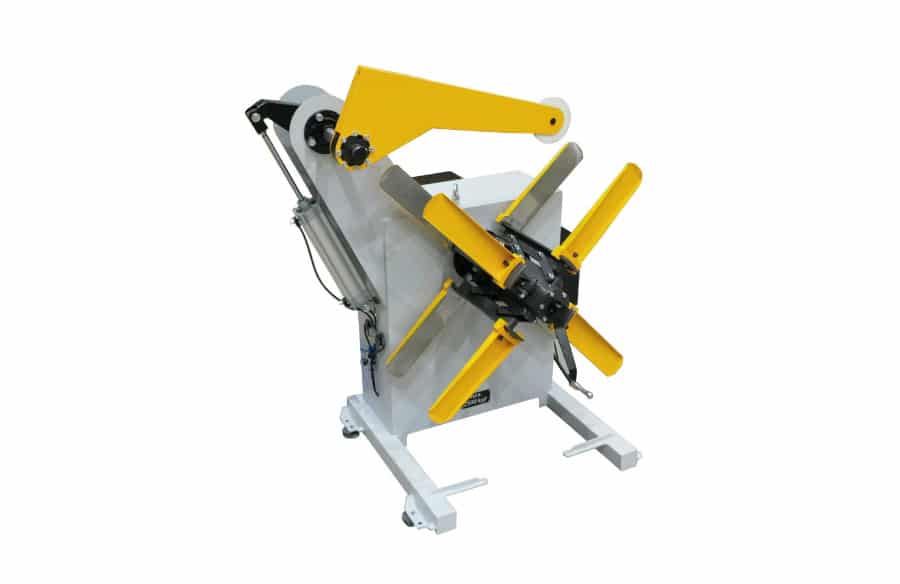
Understanding the use of decoilers and their role in modern manufacturing processes is an important part of industrial expertise. Decoilers are essential components in a wide range of production systems, designed to meet the demands of various industries by providing the strength, stability, and precision required for efficient material handling. With the right accessories, a decoiler can be optimised for maximum performance, improving workflow efficiency while reducing production time. Discover how decoilers can enhance the performance of your machinery and create new opportunities for industrial manufacturing.
Why Hydraulic Expansion Is Essential to Decoiler Performance
Hydraulic expansion is a key feature that ensures decoilers operate efficiently and reliably in a wide range of industrial environments. This technology allows the machine to precisely adjust its diameter and gripping force to accommodate different material thicknesses and coil widths—an essential capability for equipment that must adapt to changing production requirements.
- Improved precision: Hydraulic expansion allows decoilers to be adjusted with high accuracy, reducing the risk of material damage and improving coil handling quality.
- Flexible production: The ability to adapt to different material types enables a single decoiler to handle a wide range of applications, maximising equipment utilisation.
- Increased efficiency: Fast and reliable adjustments allow hydraulic expansion to increase production throughput without compromising precision.
Understanding the importance of decoilers with hydraulic expansion leads to better purchasing decisions and investments that deliver higher performance and greater flexibility over the long term. Hydraulic expansion is more than just a feature—it is an essential capability for maintaining competitiveness in an ever-evolving industrial landscape.
Different Types of Decoilers and Their Applications
Understanding the different types of decoilers and their applications is essential when selecting the right equipment for your operation. Depending on your specific requirements and the industry you work in, the most suitable type of decoiler may vary significantly.
Mechanical Decoilers: Design and Development Considerations
The introduction of mechanical decoilers marked a new era of productivity and efficiency. Powered by electric or pneumatic systems, these machines can handle materials with greater speed and accuracy than manual methods. The modern design of mechanical decoilers reflects the need for adaptability and reliability, offering functionality that can be integrated into automated production systems for industries requiring high capacity and precision.
Each type of decoiler is designed for specific applications, making it important to evaluate which solution best meets the requirements of your operation. Whether you choose a manual decoiler for smaller projects or a mechanical decoiler for automated industrial processes, its design, functionality, and features are key to ensuring smooth, efficient, and reliable material handling.
The Evolution of Decoilers Through the Years
The evolution of decoilers clearly reflects the industry's continuous pursuit of technological advancement and innovation. From the earliest manually operated models to today's automated, high-performance systems, decoilers have undergone a remarkable transformation that has reshaped modern manufacturing. Over the years, development has focused on improving efficiency, increasing production speed, and enhancing precision in material handling, making decoilers an essential part of today's industrial production.
- The transition from manually operated designs to electrically and hydraulically driven machines.
- The integration of digital technology for improved control and monitoring.
- The development of programmable systems that adapt to different applications and materials.
- The incorporation of sensors and advanced measurement systems for even greater precision and efficiency.
This evolution is not only a story of technological progress but also of the industry's ability to adapt to new ways of working. Understanding how decoilers have evolved means understanding a history of innovation and practical problem-solving that has developed alongside advances in other areas of industrial technology. With each new development, new challenges have been overcome, expanding opportunities for greater efficiency, productivity, and growth. Continue reading to learn how modern decoilers can be seamlessly integrated into today's production systems.
The Use of Decoilers in Modern Production Systems
In today's rapidly evolving industrial landscape, decoilers play a critical role in combining modern production systems with efficiency and precision. As automation and system integration continue to advance, the synergy between decoilers and modern technologies has become essential for manufacturing companies. Let us explore the key aspects of this seamless integration and how it contributes to progress in industrial applications.
Integration of Decoilers into Automated Production Lines
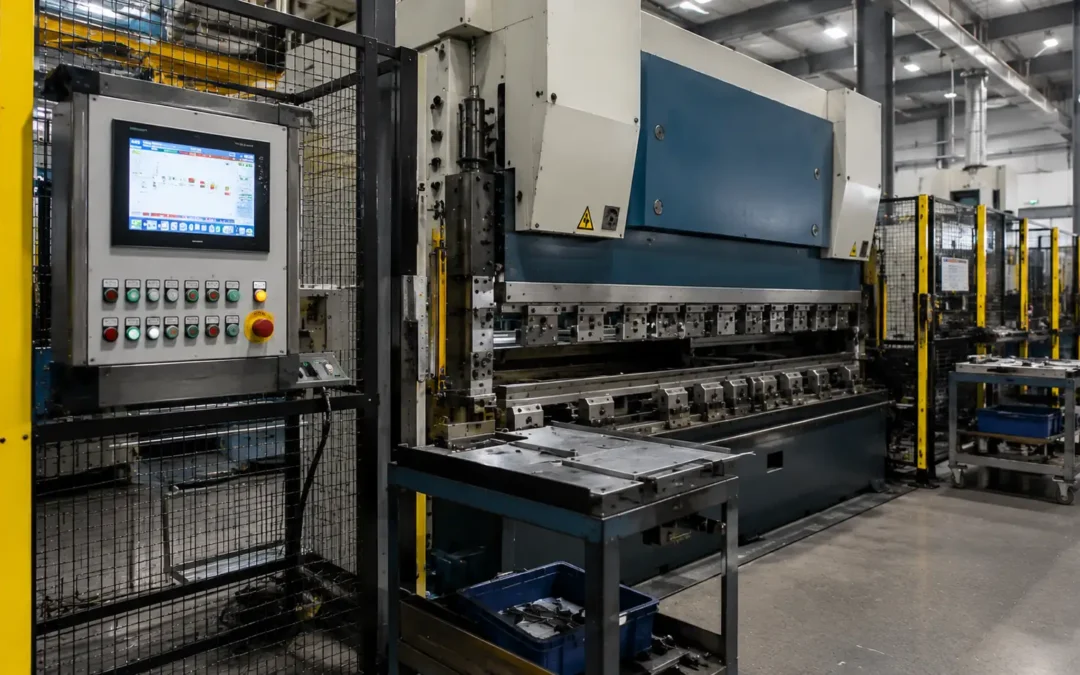
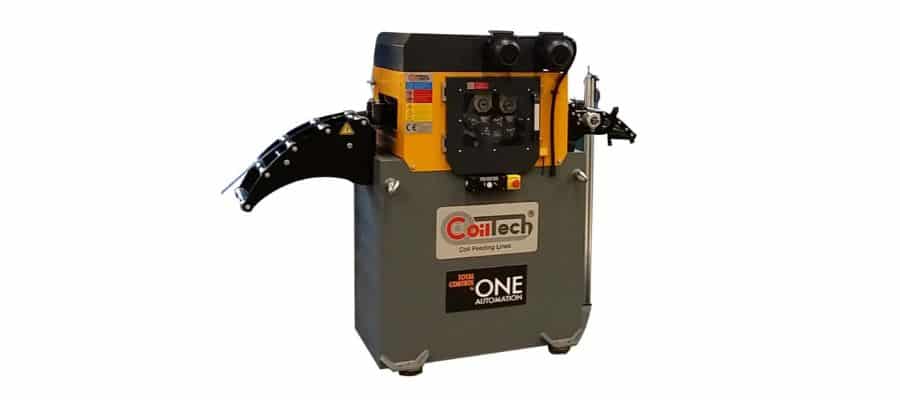
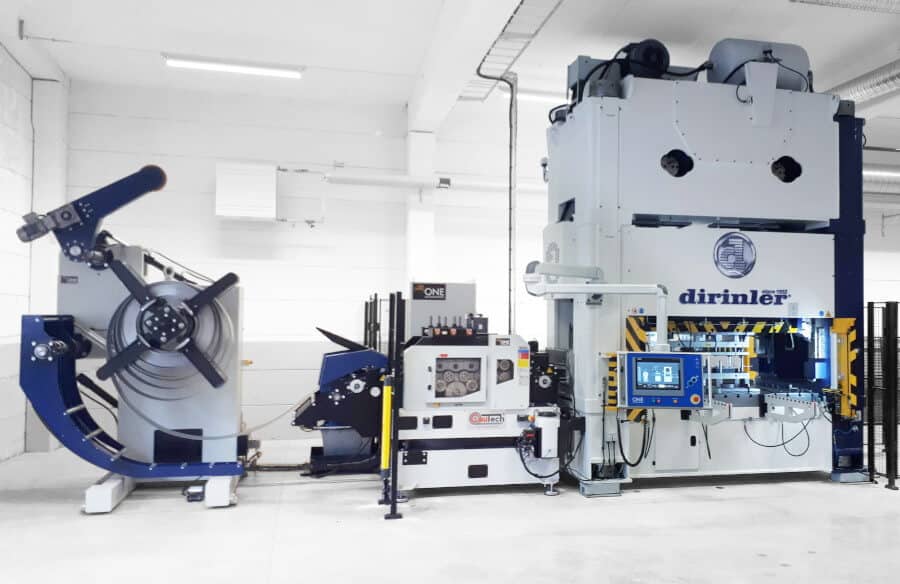
The automation of manufacturing processes has transformed modern industry, with decoilers integrated to increase production speed and consistency. Through seamless integration with other machinery, decoilers create a fully automated production line that reduces downtime and improves overall manufacturing efficiency. This level of integration requires precise control and flexible systems capable of handling a wide range of materials and production configurations.
Decoilers for Specialised Industrial Applications
Beyond the fundamental need for efficiency, many industries require customised solutions when it comes to decoiler design and functionality. Specialised decoilers, engineered for specific industrial applications, are becoming increasingly important for companies striving for technical precision. These decoilers are designed to accommodate materials of varying widths and thicknesses, making them a flexible and valuable asset in modern production systems.
How Decoilers Can Be Equipped for Greater Flexibility
If you work with decoilers, you know that flexibility and adaptability are essential to remaining competitive. Equipping your decoilers to maximise their performance and versatility is therefore key. Below are several ways your equipment can be enhanced to improve flexibility across a wide range of production applications.
- Introduce modular components: These allow quick adaptation to different materials and product specifications.
- Invest in automatic diameter adjustment: Enables efficient handling of materials with varying thicknesses and widths.
- Use interchangeable mandrels: Allows fast changeovers between different production tasks.
- Integrate advanced control systems: Smart technology significantly enhances the adaptability of your decoilers.
- Choose quick-change accessories: Reduce downtime and optimise production workflow.
By implementing these improvements, your decoilers can be equipped to handle a wider range of production challenges with greater flexibility and adaptability. This, in turn, contributes to a more efficient, versatile, and profitable production line.
What Accessories and Press Equipment Are Available for Decoilers?
When you want to expand the capabilities of your decoilers and enhance their performance and capacity, there is a wide range of accessories available to choose from. Accessories and press equipment play a vital role in customising your machinery for specific applications and materials. Here are some key factors to consider when selecting the right components for your decoilers.
Custom Accessories for Specific Decoiler Applications
- Recoiling aids to ensure smooth and efficient material winding.
- Tension control systems for handling different material types and thicknesses.
- Adapter kits for various coil sizes, providing greater flexibility when processing different dimensions.
- Sensor systems for monitoring winding quality and production speed.
Key Considerations When Choosing Accessories
- Consider the primary material types and thicknesses your decoilers will process.
- Evaluate the operating environment where the decoilers and accessories will be used—such as humid, dusty, or other conditions that may affect performance.
- Select accessories based on your production volume. Determine whether you need heavy-duty, high-capacity components for continuous operation or lighter-duty solutions for occasional use.
- Ensure that the press accessories integrate seamlessly with your existing production systems and machinery.
- Consider maintenance requirements and the availability of technical support for the accessories you plan to purchase.
The Importance of Decoilers Across Different Industries
The role of decoilers extends across a wide range of industries, and their contribution to industrial manufacturing cannot be overstated. While decoilers are perhaps most commonly associated with metal processing, they are essential wherever coil-fed materials need to be handled with precision and efficiency. Their importance extends far beyond a single sector, supporting productivity, accuracy, and reliable material handling across modern manufacturing industries.
In the metal processing industry, decoilers serve an equally important purpose. They are used to handle and unwind metal strip, wire, and other coil-fed materials that are essential in the manufacture of a wide variety of products. Their importance is also growing in the modern electronics industry, where precise and controlled material handling is critical to ensuring product quality, consistency, and performance.
- Textile industry: Improving the handling of yarn and the production of textiles.
- Metal processing: Precision handling of metal strip, wire, and other coil-fed materials.
- Electronics industry: Accurate winding and unwinding of wires and small components.
- Construction industry: Handling and winding of cables and ropes used in construction projects.
- Energy industry: Handling of cables, pipes, and other materials used in power generation and energy infrastructure.
This versatility highlights the adaptability of decoilers and their ability to meet the evolving demands of different industries. Whether the goal is to increase the speed of an automated production process or improve precision in a specialised application, decoilers play a vital role in modern industrial performance.
Adapting Decoilers for Different Material Widths and Types
In today's dynamic and increasingly demanding industrial environment, the ability to adapt equipment to changing production requirements is essential. For decoilers, this means being capable of handling not only a wide range of coil widths but also various material types. This flexibility ensures precise, efficient, and reliable material handling across a broad range of industrial applications.
Adaptation Techniques and Their Impact on Material Handling
Modern decoilers are equipped with a range of adaptation technologies to meet these requirements. These solutions range from simple manual adjustments to advanced automated systems that precisely detect material characteristics and automatically adjust the decoiler's settings accordingly. This not only ensures high-precision material handling but also minimises the risk of damage and production errors, helping to maintain consistent product quality.
Flexibility and Precision in Modern Decoilers
The ability to switch seamlessly between different material widths and types is a clear indication of the flexibility and precision offered by the latest generation of decoilers. This adaptability is essential for keeping pace with changing market demands while maintaining efficient production across a wide variety of applications. Modern decoilers are a valuable asset in any manufacturing operation, contributing to higher productivity, greater reliability, and consistent production performance.
FAQ
What Is a Decoiler and How Is It Used in the Manufacturing Industry?
A decoiler is a machine used to unwind or feed coiled materials such as metal strip, wire, cable, or other rolled materials into a production line. In the manufacturing industry, decoilers are used to handle material coils during production, helping to automate processes, improve material flow, and increase overall production efficiency.
Why Is Hydraulic Expansion Important for a Decoiler?
Hydraulic expansion allows the decoiler mandrel to expand and adjust precisely to accommodate coils of different sizes and material thicknesses. This ensures secure and consistent coil handling, reduces material damage and equipment wear, and improves overall production accuracy and efficiency.
What Are the Different Types of Decoilers and Their Primary Applications?
There are two main types of decoilers: manual decoilers and mechanical decoilers. Manual decoilers are typically used for smaller-scale applications and lower production volumes, while mechanical decoilers are designed for industrial and automated production environments where high precision, reliability, and efficiency are essential.
How Has the Evolution of Decoilers Impacted Industry?
The evolution of decoilers from manually operated units to advanced mechanical and automated systems has transformed modern manufacturing. These advancements have increased production speed, improved precision, enhanced productivity, and reduced operating costs while enabling more efficient and reliable material handling.
How Are Decoilers Integrated into Modern Production Systems?
Decoilers are integrated into modern production systems as part of automated manufacturing lines. They streamline the handling of coil-fed materials throughout the production process, from material feeding and positioning to processing and final inspection, helping to improve efficiency, consistency, and overall productivity.
How Can Decoilers Be Adapted to Increase Flexibility in the Manufacturing Process?
Decoilers can be customised with a range of accessories and features to handle materials of different widths, thicknesses, and properties. These include adjustable mandrel diameters, tension control systems, and integrated sensors that automatically optimise the decoiler's performance for the material being processed.
What Are the Most Important Accessories and Press Accessories Available for Decoilers?
Important accessories and press accessories for decoilers include material guiding equipment, edge guiding systems, automatic loading systems, and various types of tension control systems. The choice of accessories depends on the application as well as the type and properties of the material being handled.
Which Industries Rely Most on Decoilers?
Decoilers are particularly important in industries such as textile manufacturing, cable production, metal processing, and paper manufacturing. They are essential components for efficiently handling coil-fed materials and improving productivity across these industries.
How Are Modern Decoilers Adapted to Handle Different Material Widths and Types?
Modern decoilers are equipped with advanced technologies that allow them to adapt to different material widths and types. These technologies include adjustable mandrels, programmable control systems, and precision-driven motors that fine-tune the decoiler's tension and rotation speed according to the material specifications.



 English
  Svenska