



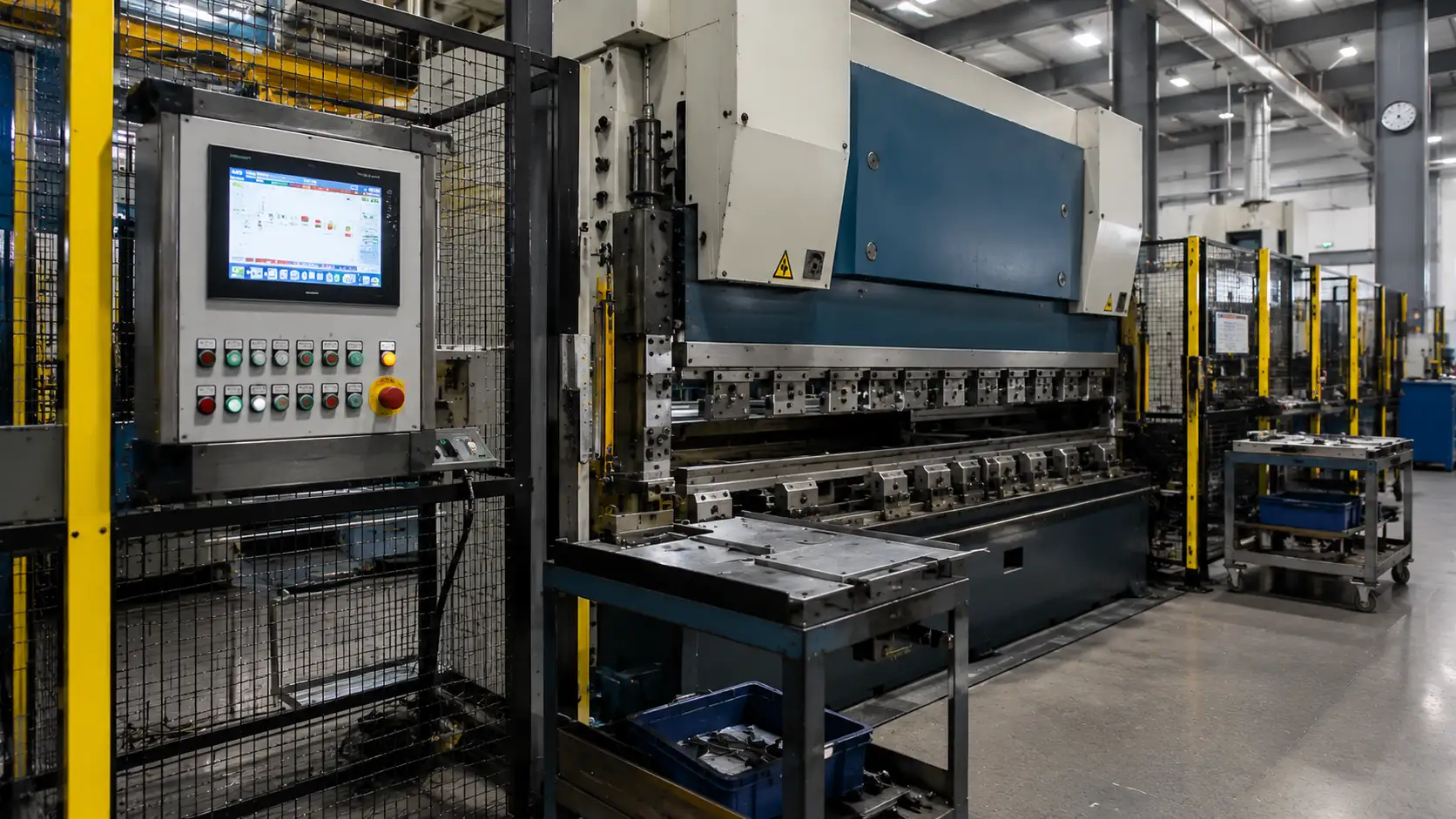
Modernizing a press line at the right time is essential to maintaining stable, efficient, and competitive production. Despite this, many companies wait too long to upgrade their equipment, often resulting in higher costs and reduced productivity before action is taken.
In this guide, we explore the most common signs that it's time to modernize a press line and the key factors to consider before making a decision.
Recurring Downtime and Production Disruptions
One of the clearest signs that a press line needs to be modernized is recurring downtime or unplanned production interruptions. When equipment requires frequent repairs or spare parts become increasingly difficult to obtain, it indicates that the system has reached a point where routine maintenance is no longer sufficient.
In practice, this often results in significant production losses. For many manufacturing companies, even short periods of downtime can have a major impact on delivery performance and profitability.
Low or Declining OEE
OEE (Overall Equipment Effectiveness) is a key performance indicator that measures the efficiency of a production line. If the OEE value falls below 80% or shows a consistent downward trend over time, it is a strong indication that the production system is no longer performing at its full potential.
When modernizing press lines, OEE improvements of 10 to 30 percent are often achieved, depending on the initial condition of the equipment and the upgrades implemented.
The causes of low efficiency are often linked to outdated control systems, a low level of automation, or inefficient material handling, all of which negatively affect availability, performance, and product quality.
Outdated Control Systems and Limited Digital Integration
Many older press lines are equipped with control systems that are not designed to meet today's requirements for digitalization and data-driven manufacturing. As a result, integrating the equipment with modern business or production systems can be challenging, while data collection and analysis capabilities are often limited.
With modern control systems, it becomes possible to work more proactively based on real-time data, often resulting in improved equipment availability and better resource utilization.
Failure to Meet Safety Requirements
If a press line does not comply with current safety requirements, such as those relating to CE marking or the Machinery Directive, modernization is often necessary. Outdated safety systems not only pose a risk to personnel but can also lead to production shutdowns during inspections or compliance audits.
Ensuring that equipment complies with current regulations is therefore not only a matter of workplace safety but also a critical business requirement.
Insufficient Production Capacity
As demand increases, the limitations of the equipment become apparent if the production line can no longer deliver the required output. An older press line may struggle to match the speed, precision, and flexibility of modern systems, limiting the company's ability to grow.
By modernizing a press line, production capacity can often be increased significantly while reducing variations in the manufacturing process.
High Level of Manual Work
If production relies heavily on manual tasks such as material feeding, adjustments, or monitoring, there is often significant potential to improve efficiency through increased automation. Manual processes not only result in higher labor costs but also increase the risk of variations in product quality and production output.
A modernized press line can often automate these tasks, resulting in a more stable, efficient, and predictable production process.
Increasing Maintenance and Service Costs
When maintenance and repair costs continue to increase over time, it is a clear sign that the equipment is approaching the end of its technical service life. In these situations, investing in modernization is often more cost-effective than continuing with ongoing repairs and maintenance.
Many companies that carry out an equipment upgrade experience not only lower maintenance costs but also fewer unplanned breakdowns and a more proactive maintenance strategy.
Modernization or a New Investment?
A common consideration is whether it is more beneficial to invest in a completely new press line or to modernize an existing one. In many cases, modernization—also known as a press line retrofit—can deliver many of the same benefits at a significantly lower cost.
A modernization can often reduce investment costs by 30 to 60 percent compared to a new press line, while also shortening installation time and minimizing disruption to production.
Real-World Example
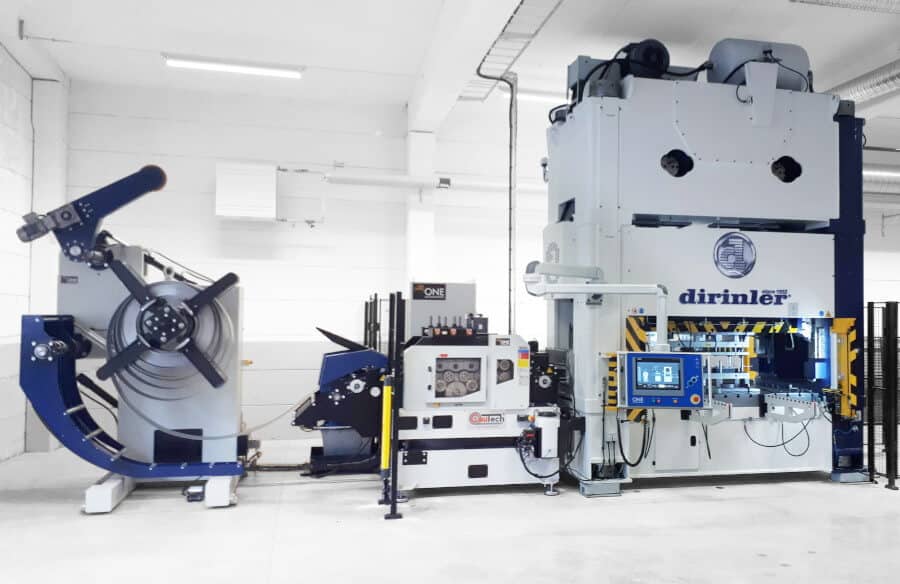
In a typical press line modernization project involving upgrades to the control system and material handling, the customer increased productivity by approximately 25 percent while significantly reducing unplanned downtime. The project also resulted in an improved working environment and made operation easier for machine operators.
This type of result is common when older equipment is upgraded with modern technology and automation.
Summary
Modernizing a press line is ultimately about ensuring long-term profitability and maintaining a competitive edge. Companies that act at the right time can reduce downtime, increase productivity, and create better conditions for future growth.
By identifying the warning signs at an early stage, companies can plan improvements proactively rather than being forced to react after problems have already impacted the business.
Would you like to discover the potential of your press line?
One Automation helps manufacturers modernize their press lines through tailored machinery and automation solutions.
Contact us for a free initial assessment, where we identify opportunities for improvement, estimate potential efficiency gains, and provide recommendations on the next steps.



 English
  Svenska